
How Landmark College`s Institute for Research and Training is Helping Shape Inclusive STEM Education Through STRIVE
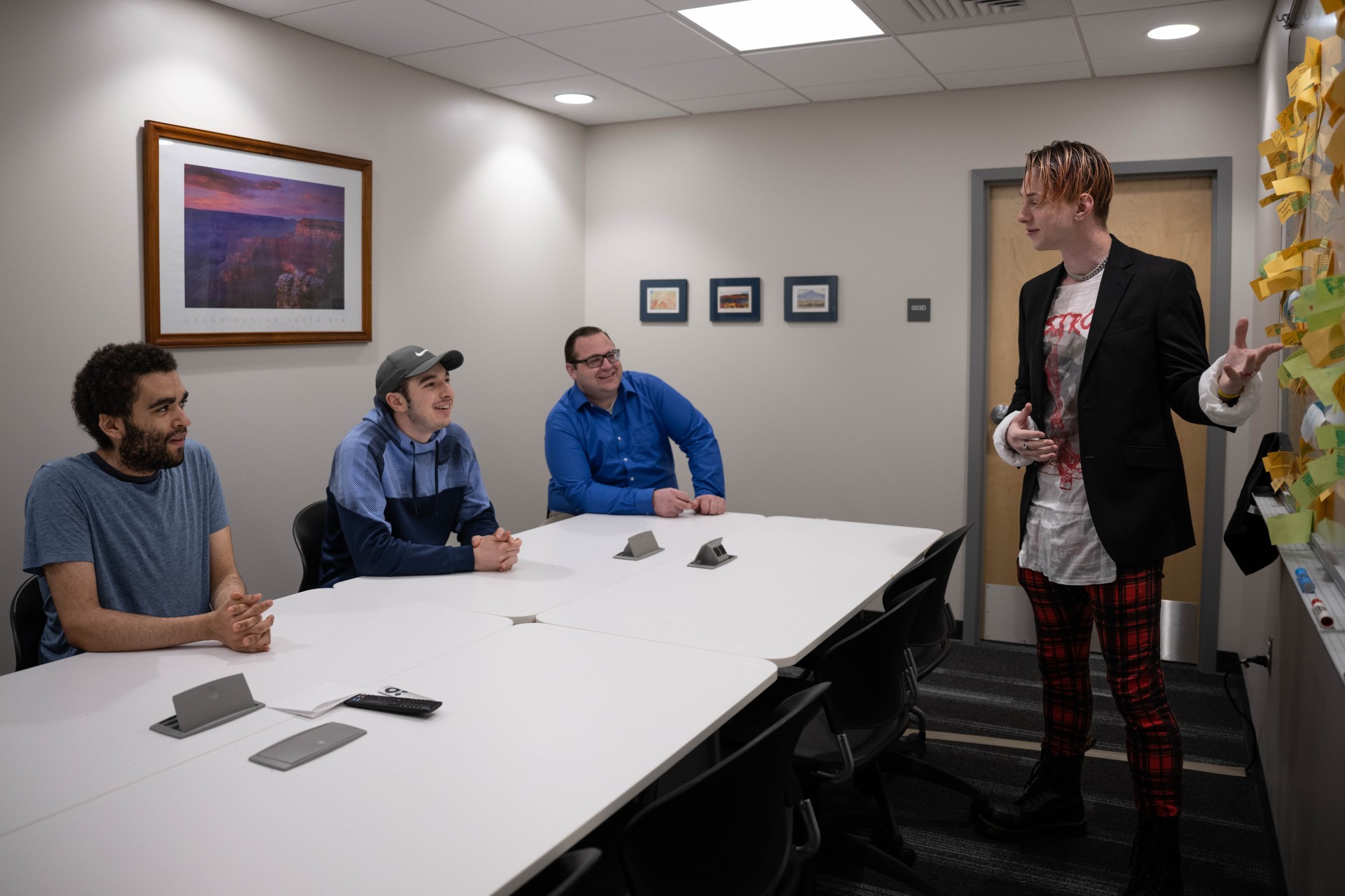
LCIRT’s participatory research model is working to empower neurodiverse learners and educators in Vermont and beyond.
A new initiative at the Landmark College Institute for Research and Training (LCIRT) is creating space for all learners to thrive in STEM—both in the classroom and in their future careers.
As part of the Science and Technology Research Initiative for the Vermont Economy
(STRIVE)—a statewide collaboration funded by the National Science Foundation—Landmark College, Bennington College, the Community College of Vermont (CCV), and the Brattleboro Development Credit Corporation (BDCC) to strengthen Vermont’s STEM workforce.
LCIRT’s work will play a pivotal role in shaping how STEM instruction is delivered, with a focus on cultivating essential industry skills in all students and employees. By continuing research into universal design, cognitive load, and executive functioning, the team aims to equip educators and employers with strategies that support diverse learning needs—ensuring all students have equitable access to build skills for meaningful, high-wage careers.
As always, students will remain front and center in this work.
“Participatory action research is critical,” said Adam Lalor, Vice President for Neurodiversity Research and Innovation at Landmark College. “For years, we’ve tried to include neurodivergent students in our research as collaborators as much as possible.”
Embracing the principle of “nothing about us, without us,” Lalor emphasized how students are involved in every phase—from identifying key research questions to conducting studies and sharing results.
Beyond refining how STEM is taught, Lalor hopes the work itself will help students develop a strong sense of identity aligned with scientific thinking.
“STEM—mathematical reasoning, inquiry, experimentation—can become part of how people see themselves,” he said.

He noted how neurodiverse students have traditionally been told “you can’t do this!”; or are limited to one narrow slice of STEM, like computer science, erecting lifelong barriers around concepts such as inquiry and research, trial and error—core tenets in the enjoyment of science.
“At the end of the day, it’s about how you see the world and make symbolic connections,” he added.
By nurturing curiosity and supporting deeper engagement with scientific principles, LCIRT is preparing to share its findings broadly across Vermont through STRIVE. Free online and in-person events for educators, community organizers, and employers are already being planned.
“With greater acceptance and valuing of different skills and perspectives, people start to think differently,” Lalor said. “That creates a really ripe environment for ingenuity, inventiveness, innovation.”
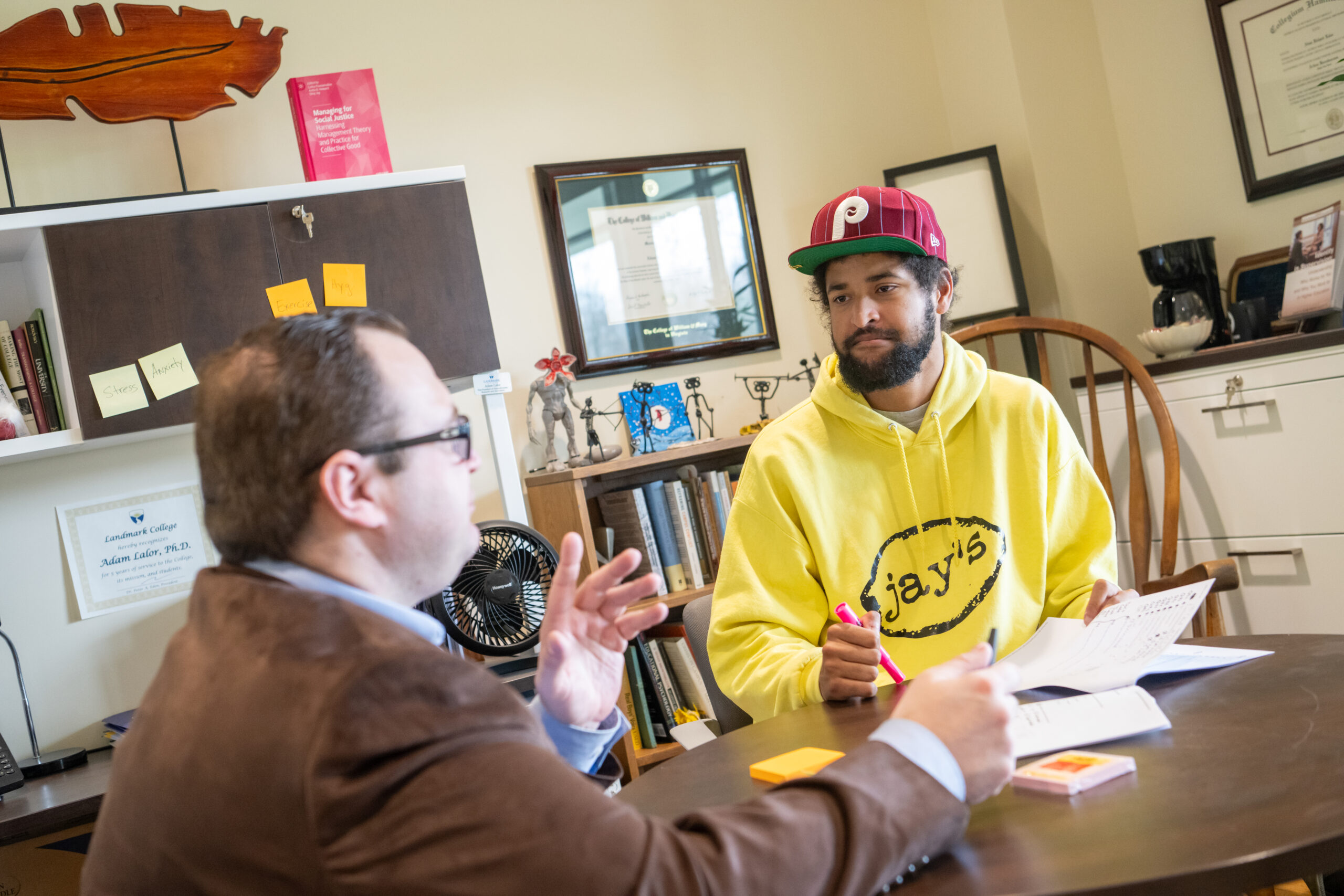
Lalor envisions a future where these qualities flourish in every corner of Vermont—and sees the collaboration among all of STRIVE’s partners, along with LCIRT’s research, as a vital step toward making that vision a reality.
Click here to learn more about the research being conducted through LCIRT.
Story by Devan Monette